
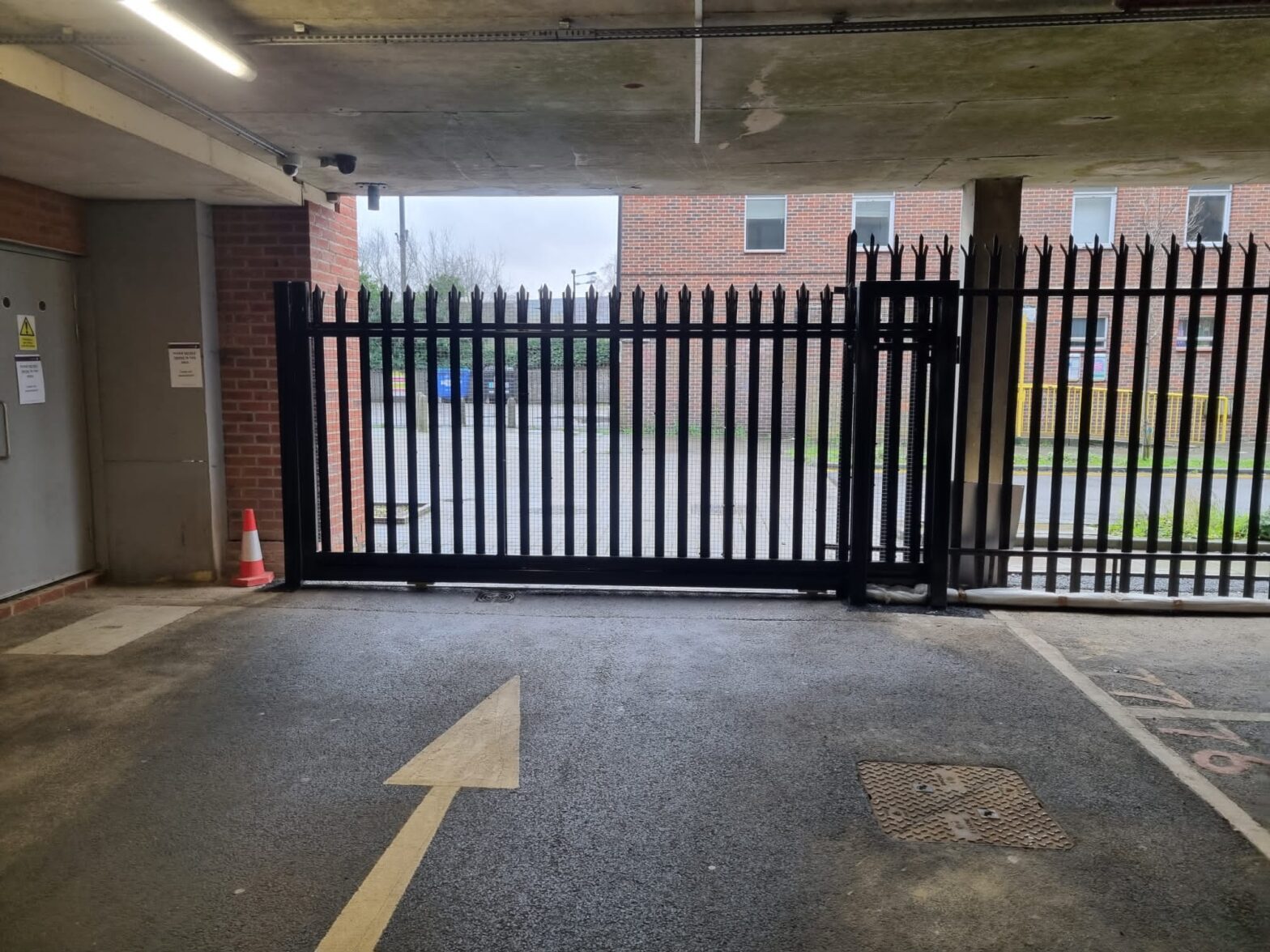
Shared access areas and alleyways are common in UK residential settings. From rear alleyways behind terraced or semi-detached houses to communal driveways used for bins, utilities, or pedestrian passage, these spaces are often essential for residents’ everyday access.
Homeowners may consider installing a security gate on a shared access or alleyway to enhance security, prevent unauthorised access, reduce anti-social behaviour, and protect property. Installing a gate in these areas can also provide peace of mind while maintaining the functionality of the shared space for legitimate users.
Determining Whether the Alleyway Is Private or a Public Right of Way
Before installing any security measure, it is essential to know whether the alleyway or shared access is private or considered a public right of way. Public paths or adopted highways are maintained by local authorities and generally allow unrestricted access. Installing a gate in such areas without formal closure procedures or permissions can lead to legal issues, fines, and possible enforcement action.
How to Check Ownership and Rights
To establish the status of your alleyway, start by reviewing your property deeds or title plans. These documents may indicate whether the access is private or shared and highlight any easements or rights of way. The Land Registry can provide official information about your property boundaries and ownership rights. Additionally, contacting your local authority or council is advisable to verify whether the alleyway is adopted or subject to public use.
Public Right of Way Restrictions
If the access is a public right of way or adopted highway, legal restrictions will apply. Typically, you cannot erect a gate or barrier without applying for formal closure or obtaining permissions from the relevant authorities. Attempting to install a gate without consent could result in enforcement action and liability for damages.
Private but Shared Access
In cases where the alleyway is private but shared among multiple owners, installing a security gate requires agreement from all parties who have legal rights of access. Shared ownership or easements can complicate decisions, making unilateral installation both legally risky and potentially contentious. Consulting with neighbours and obtaining written consent is essential to avoid disputes.
At Security Gates ‘R’ Us Ltd, we help homeowners navigate these complex situations with professional advice and custom solutions. Book a consultation here or call us to discuss a tailored solution for your shared access or alleyway.
What the Law and Local Authority Schemes Say
Installing a gate on a shared access or alleyway can enhance security, reduce anti-social behaviour, and improve residents’ peace of mind. However, before making any decisions, it is essential to understand the legal and local authority frameworks that govern such installations.
Across the UK, many councils have formalised “alley-gating” or “alley-gate schemes” to help residents secure private alleyways used by multiple households. These schemes outline the conditions, requirements, and procedures to ensure gates are installed safely, legally, and with full community support.
Established Alley-Gating Schemes
Alley-gating schemes are implemented to address issues such as vandalism, fly-tipping, and petty crime in residential areas. Councils usually consider the following when assessing an alleyway for gating:
- Evidence of anti-social behaviour or repeated criminal activity in the alley
- Reports of fly-tipping, property damage, or nuisance caused by unauthorised access
- Feedback from residents and landowners about safety concerns
These schemes standardise the process for installing gates, including acceptable gate types, height limits, and access control measures, ensuring a consistent and safe approach across neighbourhoods.
Conditions and Homeowner Consent
A key requirement for gating is that the alley must be private, not a public right of way. Full consent from all affected homeowners or landowners is generally required before a project can proceed. Councils often facilitate consultations or community meetings to ensure everyone affected agrees to the installation. This step prevents disputes after installation and ensures the project reflects the needs and safety priorities of the community.
Other conditions to consider include:
- Gates should allow emergency access if needed
- Designs must comply with safety standards to prevent entrapment or injury
- Shared maintenance responsibilities among residents may be established
Local Planning and Permits
In addition to council schemes, local planning rules can impact gate installation. For example, planning permission may be necessary if:
- The gate exceeds certain height restrictions
- The alleyway leads directly onto a public road
- The design impacts historic or conservation areas
Councils may provide guidance on suitable designs, recommended materials, and accessibility considerations. Consulting the local authority before installation ensures that your project is compliant, safe, and more likely to be approved without delays.
Benefits of Following Local Authority Guidance
Adhering to established schemes and legal requirements not only ensures compliance but also maximises the effectiveness of alley gating. Properly installed gates can:
- Reduce crime and anti-social behaviour
- Prevent fly-tipping and unauthorised access
- Enhance the overall safety and appearance of the alleyway
- Provide reassurance and peace of mind to residents
Practical Steps and Considerations Before Installing a Gate
Installing a gate is a significant decision that requires careful planning to ensure safety, legal compliance, and long-term functionality. While gates can enhance privacy, security, and curb appeal, homeowners must evaluate a range of practical and legal factors before proceeding. Taking the time to address these considerations can prevent disputes, fines, and costly mistakes.
1. Consult Neighbours and Affected Owners
Before installing a gate, it is essential to communicate with all neighbours or parties who may be affected. If your property shares access rights, driveways, or alleys with others, you will need written consent from every legal owner or individual with access rights. Open discussion helps avoid misunderstandings and ensures that all parties agree on the placement, style, and function of the gate. Documenting this consent in writing protects you from potential legal disputes later.
2. Check Land Ownership and Rights of Way
Understanding land ownership is critical. If you are unsure whether the land belongs to you or if any rights of way exist, obtain deeds or a title plan from the Land Registry. Rights of way, shared driveways, or easements may impose restrictions on gate installation, and failing to address these issues could result in legal action or the requirement to remove the gate.
3. Check with Local Council and Planning Department
Local councils often regulate gates, particularly in conservation areas, near listed buildings, or where underground utilities may be present. Contact your council’s planning department to confirm whether the gate requires planning permission or other forms of consent. Some alleys may be considered public, or local policies may impose specific height or material restrictions. Confirming requirements before installation ensures your project is fully compliant with legal obligations.
4. Engage with Other Stakeholders
Installing a gate may impact essential services, including waste collection, sewer maintenance, emergency access, and utilities. Engaging with these stakeholders in advance ensures the gate does not obstruct access or violate regulations. Many councils request evidence that services such as rubbish collection and emergency access can still operate without interference. Consulting early with relevant parties can prevent complications after installation.
5. Agree on Maintenance, Keys, and Responsibilities
A gate is not a one-time installation; it comes with ongoing responsibilities. Homeowners should agree on maintenance schedules, key distribution, and insurance considerations, particularly for shared access points. Clear agreements regarding who maintains the gate, who manages keys, and how costs are shared can prevent conflicts and ensure the gate remains secure and functional for years to come.
Benefits, Risks and When a Gate Might Not Be the Best Option
Installing a gate in a shared alleyway or access point can provide multiple advantages for residents, but it is not a decision to be taken lightly. Gates can enhance security, reduce misuse of common spaces, and offer peace of mind. However, there are practical, legal, and social factors that homeowners must consider before committing to installation.
Potential Benefits
One of the most significant advantages of installing a gate is the reduction of crime and anti-social behaviour. Gates can help prevent:
- Burglary and opportunistic theft in poorly monitored areas
- Vandalism and damage to property
- Fly-tipping and littering in secluded alleyways
Beyond physical security, gated access can give residents a stronger sense of safety and privacy. Those who share the alley often feel more comfortable knowing that unauthorised access is limited. Additionally, well-managed gates can improve the overall environment of the area, making it cleaner, safer, and more inviting for residents and visitors alike.
Possible Downsides and Risks
Despite the potential benefits, several risks should be considered before installing a gate. These include:
- Ownership and access disputes: If property ownership or access rights are unclear, installing a gate could lead to legal disagreements or claims of trespass.
- Access for services: Gates may restrict essential services such as waste collection, utilities, emergency vehicles, or maintenance, which could inconvenience residents.
- Community cooperation: The effectiveness of a gate depends on residents’ commitment to proper management. Lost keys, gates left open, or poor upkeep can negate security benefits. Council guidance and studies indicate that successful gated alleyways require a cohesive and cooperative community approach.
When a Gate Might Not Be Appropriate
Not every alleyway or shared access point is suitable for a gate. Situations where gating may not be practical include:
- Public right of way: Alleys that are adopted highways or public rights of way usually cannot be gated without formal approval from the local authority.
- Essential access requirements: If some properties rely on continuous access for bins, garages, or utilities, installing a gate could be impractical and unfair.
- Community disagreement: A lack of consensus among residents can lead to conflict and reduced effectiveness of the gate.
Practical Alternatives and Precautions
Even if a gate is not suitable, there are alternative measures to improve security and reduce anti-social behaviour:
- CCTV or security cameras to monitor activity
- Enhanced lighting to increase visibility
- Controlled access points or gates with agreed-upon rules
- Collaboration with local councils for community safety programs
Window Security Grilles and Bars Designed for Peace of Mind
Tailored Installations for Maximum Security and Aesthetics
Securing your property starts with choosing the right gate. Security Gates ‘R’ Us Ltd offers expertly manufactured and installed bar grille doors, retractable security gates, window security grilles, and robust security bars for domestic and commercial projects of all sizes. Our bespoke solutions combine functionality and aesthetics, helping to deter crime, prevent anti-social behaviour, and enhance privacy.
Take action today to improve security and peace of mind. Contact us at 07401 217 653 or 0208 4322 999, email albert@securitygatesrus.com, or visit securitygatesrus.com to arrange a consultation.