
How to Secure Your Commercial Premises in London: A Complete Guide
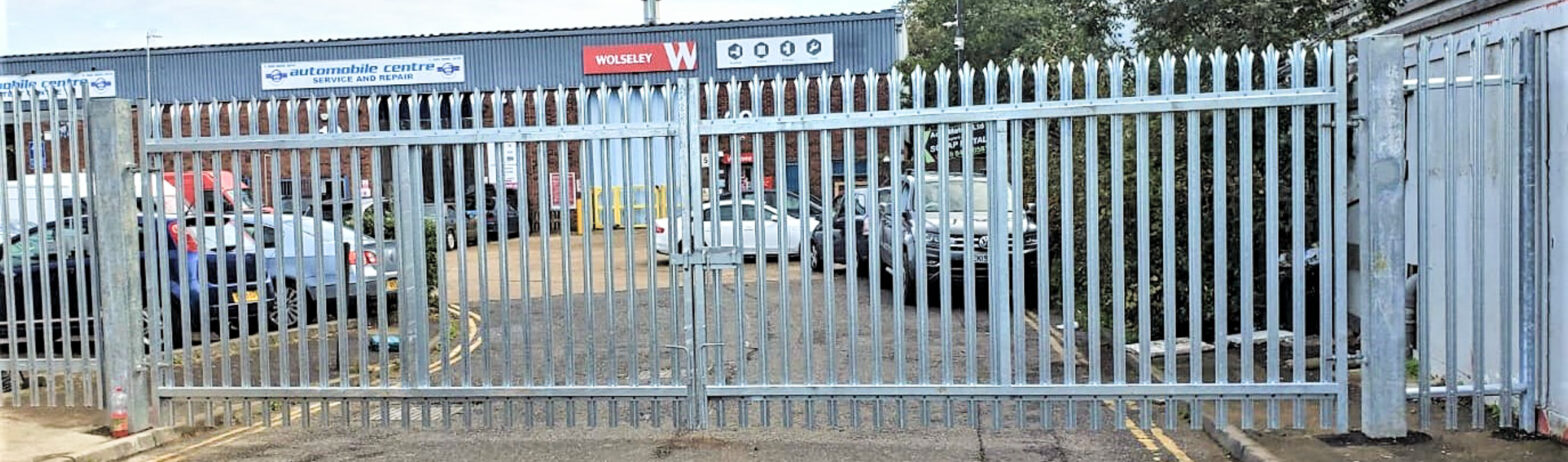
If you want to properly secure your commercial premises in London, you need more than just one solution. The most effective approach combines physical security, access control, surveillance, lighting, and ongoing risk management. Businesses that rely on a single layer of protection are far more vulnerable. A well-planned, layered strategy is what truly deters crime and protects your assets, staff, and operations.
Why Commercial Security Matters More Than Ever in London
London is one of the most active commercial centres in the UK, with a wide range of businesses operating across retail, industrial, and office environments. With this activity comes increased exposure to risks such as theft, vandalism, unauthorised access, and property damage.
For business owners, security is not just about preventing break-ins. It is about maintaining business continuity, protecting employees, and safeguarding valuable equipment and data. Even a single security breach can lead to costly downtime, lost inventory, and reputational damage.
Customers and employees also expect to feel safe within your premises. A visible and well-structured security system helps build trust and confidence, which is essential for long-term success.
Step 1: Begin with a Thorough Security Risk Assessment
Before installing any security system, it is essential to understand where your vulnerabilities lie.
Every commercial property is different. A warehouse in an industrial area will face different risks compared to a retail shop in a busy high street location. A proper risk assessment helps you identify weak points and prioritise the right solutions.
What to Assess
Start by reviewing the following:
- Entry and exit points
- Doors, windows, and loading areas
- Visibility around the premises
- Lighting conditions during day and night
- Surrounding environment and nearby activity
- Current security measures in place
You should also consider how your business operates. For example, premises that operate late at night or store high-value goods will require stronger security measures.
Taking the time to assess these factors ensures that your investment is focused on areas that truly need protection.
Step 2: Secure the Perimeter First
Your perimeter is your first line of defence. If intruders can easily access your property, everything inside becomes vulnerable.
Install Security Gates and Fencing
Security gates are one of the most effective ways to control access to your premises. They create a strong physical barrier that prevents unauthorised entry while still allowing controlled access for staff and visitors.
Fencing also plays an important role in defining your boundaries and discouraging trespassers. Together, gates and fencing form a secure outer layer that protects your property from external threats.
For commercial premises, automated or reinforced gates can provide both security and convenience, especially in areas with frequent vehicle access.
Reinforce Doors and Windows
Doors and windows are the most common points of entry for intruders. Strengthening these areas is essential.
Options include:
- Steel or reinforced doors
- Retractable security gates for entrances
- Bar grille doors for secondary access points
- Window security grilles or shutters
These measures make it significantly harder for intruders to gain access and act as a visible deterrent.
Step 3: Control Access to Your Premises
Knowing who enters your building and when is a key part of commercial security.
Access Control Systems
Modern access control systems allow you to manage entry without relying on traditional keys. These systems can include:
- Keycards or fobs
- PIN code keypads
- Intercom systems
- Biometric scanners
These solutions allow you to restrict access to authorised individuals and maintain a record of entry and exit activity.
Restrict Access to Sensitive Areas
Not all areas of your premises should be accessible to everyone. Offices, storage rooms, and equipment areas should be restricted to authorised personnel only.
This reduces internal risks and helps maintain better control over your operations.
Step 4: Install CCTV Surveillance Systems
CCTV plays a vital role in both deterring crime and monitoring activity.
Visible cameras act as a strong deterrent, while recorded footage provides valuable evidence if an incident occurs. CCTV systems allow you to monitor your premises in real time or review footage when needed.
Where to Install Cameras
Focus on key areas such as:
- Entrances and exits
- Car parks and external areas
- Storage and high-value zones
- Reception areas and corridors
Avoid blind spots and ensure that cameras cover all critical areas.
CCTV Best Practices
To maximise effectiveness:
- Use high-quality cameras for clear footage
- Ensure proper lighting for night visibility
- Regularly maintain and test the system
- Comply with UK data protection regulations
A well-installed CCTV system is a key part of any commercial security strategy.
Step 5: Install Alarm Systems with Monitoring
Alarm systems provide immediate alerts when a security breach occurs. They are essential for detecting unauthorised access and triggering a response.
However, an alarm is only effective if someone responds to it. Monitored alarm systems connect to a control centre or security team that can take action when triggered.
This ensures that incidents are addressed quickly, reducing potential damage and loss.
Step 6: Improve Lighting Across the Property
Lighting is one of the simplest yet most effective ways to improve security.
Dark areas provide cover for intruders, making it easier for them to approach unnoticed. Proper lighting eliminates hiding spots and increases visibility.
Lighting Tips
- Install motion-activated lights near entrances
- Illuminate car parks and walkways
- Ensure consistent lighting around the perimeter
- Replace faulty lights immediately
A well-lit property is far less attractive to potential intruders.
Step 7: Protect Against Internal and Digital Threats
Security is not limited to physical barriers. Businesses must also address internal risks and digital vulnerabilities.
Internal Security
- Track and manage keys and access credentials
- Remove access when employees leave
- Monitor entry to restricted areas
- Train staff on security procedures
Cybersecurity
Modern businesses rely heavily on digital systems, making cybersecurity just as important as physical security.
Basic measures include:
- Secure networks and firewalls
- Strong passwords and access controls
- Regular software updates
- Staff training on recognising threats
Protecting your data is essential to maintaining business integrity and avoiding costly breaches.
Step 8: Use a Layered Security Strategy
The most effective security systems use multiple layers of protection.
Relying on a single measure leaves gaps that can be exploited. A layered approach ensures that if one system fails, others are in place to provide protection.
A Strong Layered Setup May Include
- Perimeter gates and fencing
- Reinforced doors and windows
- Retractable gates or bar grilles
- CCTV surveillance
- Alarm systems
- Access control systems
- Lighting improvements
This combination creates a comprehensive defence system that is difficult to bypass.
Step 9: Maintain and Review Your Security Systems
Security systems are not set-and-forget solutions. They require regular maintenance and review to remain effective.
Ongoing Maintenance
- Test alarms and sensors
- Inspect gates, locks, and barriers
- Clean and check CCTV cameras
- Update access control systems
- Replace worn or damaged components
Regular maintenance ensures that your systems perform reliably when needed.
Review Your Security Plan
As your business grows or changes, your security needs may also change. Regularly reviewing your setup helps you identify new risks and update your systems accordingly.
Step 10: Work with Professional Security Specialists
Securing a commercial property requires expertise. Working with professionals ensures that your system is designed and installed correctly.
Experienced providers can:
- Conduct detailed site assessments
- Recommend tailored solutions
- Ensure compliance with UK regulations
- Provide ongoing support and maintenance
This not only improves security but also saves time and prevents costly mistakes.
Common Mistakes to Avoid
Many businesses make avoidable mistakes when securing their premises.
Choosing the cheapest option without considering quality can lead to poor performance. Ignoring maintenance can result in system failures. Overlooking access control can leave your property vulnerable.
Another common issue is relying on a single security measure. This creates gaps that can be exploited.
Avoiding these mistakes will help you build a stronger and more reliable security system.
The Role of Security Gates in Commercial Protection
Security gates play a central role in protecting commercial premises.
They provide a strong physical barrier while allowing controlled access. When combined with automation and access control systems, they offer both security and convenience.
Security gates are particularly useful for:
- Warehouses and industrial units
- Office buildings
- Retail premises
- Car parks and restricted areas
As part of a layered approach, they help secure the perimeter and prevent unauthorised entry.
How to Build a Future-Proof Security Strategy
Security is not static. As technology evolves and risks change, your security strategy should adapt.
Investing in scalable systems allows you to upgrade your setup as your business grows. This includes adding new cameras, expanding access control systems, or upgrading gate automation.
Planning for the future ensures that your security remains effective over time.
Conclusion
Securing your commercial premises in London requires a strategic and layered approach. From perimeter protection and access control to CCTV and alarm systems, each element plays a role in protecting your business.
The key is to understand your risks, implement the right solutions, and maintain them over time. A well-secured property not only protects your assets but also creates a safer and more professional environment.
For tailored commercial security solutions, including gates, grilles, and access systems, visit Security gates R Us or contact us to discuss your requirements.
 Back to Blog