
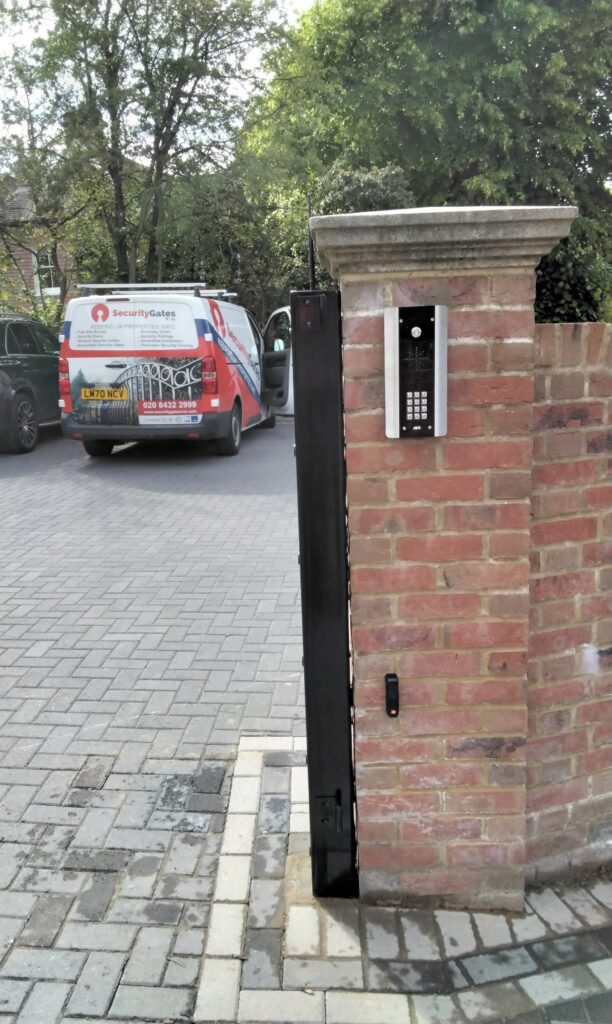
Thinking of upgrading your property with a new driveway gate? Across the UK, more homeowners are choosing to install driveway gates for the extra security, privacy, and style they bring to a home. A well-designed gate can boost kerb appeal, keep your property safe, and even increase its overall value. However, before moving forward, it is vital to understand the rules around planning permission and building regulations. Ignoring these requirements can lead to costly disputes, local authority fines, or even an order to remove the gate altogether.
Contact Security Gates R Us today to learn how we can support your project.
Key Rules for UK Properties
The regulations governing driveway gates are fairly straightforward in many cases, but there are exceptions every homeowner should be aware of.
- If your gate is under 1 metre high and located next to a highway (including footpaths), you usually do not need planning permission.
- For gates installed elsewhere on your property, a height of up to 2 metres is typically acceptable without formal approval.
- Exceptions apply if your property is a listed building, lies within a conservation area, or falls under Article 4 directions that restrict permitted development rights.
These rules are designed to balance homeowners’ desire for security and aesthetics with broader community safety and heritage protection.
When You Must Apply
There are situations where applying for planning permission is unavoidable:
- Installing gates that exceed the permitted height near a public road.
- Making changes to properties with listed or protected status.
- Developing in areas where local councils have imposed specific restrictions to preserve character or safety.
Failing to secure the right permission before installation can create delays and unexpected expenses. It’s always better to confirm early on whether your project falls into one of these categories.
Tips for a Smooth Application
If you do need to submit a planning application, preparation is key. Start by checking the requirements on your local council’s website. Each authority may have slightly different expectations, but most will ask for:
- Accurate drawings or site plans showing the location and dimensions of your proposed gate.
- Information on the materials, design, and appearance of the gate.
- Details about how the installation will affect visibility for drivers and pedestrians, particularly near public highways.
Working with a professional installer who understands these rules can save you time and effort. At Security Gates R Us, we guide homeowners through the process to help avoid setbacks.
Navigating Building Regulations for Safety and Compliance
Installing or upgrading gates is not only about appearance and convenience. Every property owner must consider building regulations to ensure safety, durability, and compliance with national standards. These rules are designed to protect homeowners, visitors, and the public, making them an essential part of any gate project.
Structural and Safety Standards
Before thinking about design or automation, it is important to get the fundamentals right. Structural stability and safe operation form the foundation of every compliant gate.
Materials and Construction Methods
The UK’s changing climate makes durability a top priority. Materials must be chosen to withstand constant exposure to wind, rain, and daily use. Common considerations include:
- Weather-resistant materials such as galvanised steel, treated timber, or powder-coated aluminium.
- Corrosion protection to prevent rust and weakening of structural parts.
- Quality craftsmanship in joints, welding, and fixings to guarantee long-term strength.
Gate Operation Safety
A gate that looks secure but operates poorly can create hazards. To ensure safe daily use:
- Hinges should be heavy-duty and capable of supporting the full weight of the gate.
- Locks, latches, and catches must be easy to use yet strong enough to secure the property.
- Support posts need correct depth and concrete foundations to resist leaning or collapse.
These steps may seem small, but they play a major role in preventing accidents and ensuring smooth operation.
Automated Gates Considerations
As more homeowners and businesses choose automation, compliance becomes even more critical. Automated systems bring convenience, but they also introduce electrical and mechanical risks if not installed properly.
BS EN Safety Standards Compliance
All automated gates in the UK should follow BS EN safety standards. These cover risks such as crushing, impact, or entrapment. Compliance ensures:
- Gates stop or reverse when encountering an obstruction.
- Control systems meet strict electrical safety requirements.
- Installations are professionally tested before regular use.
Following these standards is not just a legal safeguard, it also provides reassurance that your gate is safe for children, pets, and everyday users.
Emergency Stops, Sensors, and Electrical Safety
Modern automated gates must be equipped with the right technology to prevent accidents:
- Emergency stop buttons allow immediate shutdown in case of malfunction.
- Motion sensors and photocells detect people, vehicles, or obstacles to avoid collisions.
- Electrical safety measures such as proper grounding, insulation, and secure cabling reduce risks of shocks or fire.
Hiring qualified professionals for installation ensures these systems are correctly fitted and fully compliant.
Maintenance Obligations
Even after installation, the responsibility to maintain gates remains with the property owner. Regular servicing ensures continued compliance and extends the lifespan of the system.
Periodic Checks and Servicing
Routine inspections help identify wear and tear before it becomes a serious issue. Key areas include:
- Hinges, locks, and latches for mechanical stability.
- Motors and electrical components for functionality and safety.
- Safety sensors to confirm they are responsive and effective.
Long-Term Compliance
Regulations and safety standards evolve over time. A gate that was compliant five years ago may no longer meet current requirements. Regular reviews help ensure:
- Continued protection for homeowners and the public.
- Compliance with insurance requirements.
- A proactive approach that avoids penalties or costly modifications later.
Legal Considerations Before Installing Your Gate
Adding a new gate to your property can improve privacy, strengthen security, and elevate the overall look of your home. However, before moving ahead with any gate installation, it is vital to understand the legal requirements that may apply. Failing to do so can lead to disputes, fines, or even having to remove your newly installed gate.
Shared Driveways and Boundaries
One of the most common sources of conflict arises when a driveway or boundary is shared with neighbouring properties. If this applies to you, communication and consent are key.
- Seek neighbour approval: Installing a gate without agreement from those who share access could trigger formal disputes.
- Respect existing access rights: Check your property deeds carefully to see if anyone has legal rights of way across your land, such as neighbours or utility providers. Blocking these rights can expose you to liability.
- Document agreements: Even if everyone is on good terms, it is wise to have written consent in place. This protects all parties and reduces the risk of misunderstandings later.
A proactive approach not only prevents legal issues but also helps maintain good neighbourly relations.
Visibility and Road Safety
Road safety regulations exist to ensure your new gate does not create hazards for vehicles or pedestrians. Local authorities often impose minimum requirements for visibility and placement.
- Setback distances: Gates should be positioned far enough from the road so that vehicles entering or exiting can stop safely without blocking traffic.
- Clear pedestrian pathways: Avoid designs that obstruct the footpath or force pedestrians into the road.
- Unobstructed sightlines: Your gate should not reduce visibility for cars entering or passing by.
Ignoring these rules could result in enforcement action or orders to alter or remove the gate. Consulting local planning departments or professionals before installation can save significant costs and complications later.
Conservation Areas and Listed Properties
If your home is located in a conservation area or is classed as a listed property, stricter controls apply. These rules exist to preserve the unique heritage and character of local neighbourhoods.
When planning a gate in such locations, be prepared for:
- Design restrictions: Gates may need to be made from traditional materials such as wrought iron or timber.
- Size and style limitations: Proposals that appear out of character with the area are less likely to be approved.
- Approval processes: You may need to submit detailed drawings and justifications before work can begin.
In these cases, it becomes especially important to seek planning permission. Doing so ensures your design respects heritage guidelines and prevents future enforcement orders.
Final Thoughts
Installing a gate is not simply a design choice — it is also a legal responsibility. From securing neighbour consent and respecting access rights to meeting safety standards and heritage requirements, careful preparation is essential.
A well-planned gate project brings peace of mind and lasting benefits. To recap, remember to:
- Check for shared boundaries and access rights.
- Ensure compliance with safety and visibility regulations.
- Research conservation rules if your home is in a protected area.
- Apply for permissions where required.
Practical Tips for Installing a Driveway Gate Successfully
Adding a driveway gate is one of the most effective ways to enhance the security, privacy, and curb appeal of your property. While the idea may sound straightforward, the process involves careful planning and a few technical considerations to ensure long-term success.
Choosing the Right Gate Design
Styles and Materials That Last
The choice of material will have a direct impact on your gate’s durability, appearance, and level of maintenance. Common options include:
- Wrought iron: Timeless and strong, ideal for traditional properties but may require anti-rust treatments.
- Aluminium: Lightweight, rust-resistant, and modern-looking, perfect for low-maintenance solutions.
- Steel: Heavier and very secure, often chosen for high-security needs.
- Wood: Offers natural warmth and charm but requires more regular upkeep.
Opt for weather-resistant finishes to withstand seasonal changes. Investing in quality upfront helps reduce the risk of costly replacements down the road.
Matching Gate Style to Your Property
Your driveway gates should blend seamlessly with your property’s architecture. A mismatch in style can disrupt the overall curb appeal. For instance, sleek metal gates align with modern homes, while traditional residences often shine with decorative wrought iron or timber. Matching design details such as colour and finish to your existing exterior enhances both harmony and value.
Manual vs Automated Gates
Pros and Cons of Automation
Choosing between manual and automated gates comes down to lifestyle and budget. Manual gates are straightforward, cost-effective, and require little technical maintenance. However, they can be inconvenient during bad weather or when you frequently enter and exit.
Automated gates, on the other hand, elevate both convenience and security. Features such as remote controls, keypad access, and even smartphone integration make daily use effortless. That said, they involve higher upfront costs and ongoing servicing. When making your decision, consider:
- Frequency of use: Daily heavy use is best suited for automation.
- Budget: Manual options are cheaper upfront, while automation requires more investment.
- Safety needs: Automated systems can integrate with security cameras and sensors.
Professional Guidance
When to Hire Experts
While DIY might sound tempting, installing a driveway gate requires precision. Certified installers and surveyors ensure the structure is properly aligned, secure, and compliant with safety standards. Professional guidance is particularly valuable for automated systems where wiring and sensor calibration are critical.
Additionally, you may need to review local regulations. For instance, planning permission might be necessary depending on the size, height, or location of your gate. Consulting with a planning consultant can prevent potential setbacks, delays, or fines later in the process.
Long-Term Care and Maintenance
Seasonal Inspections and Lubrication
A driveway gate is a long-term investment, and maintenance keeps it in peak condition. Conduct seasonal checks on hinges, locks, bolts, and moving parts. Apply lubrication regularly to reduce wear and tear. Cleaning your gate’s surface also prevents rust or decay, especially after harsh weather.
Checking Automation Systems
Automated gates require extra attention. Test the motor, remote access features, and safety sensors at least twice a year. Look out for unusual noises or delays, which could indicate early mechanical issues. Addressing problems promptly ensures smooth operation and reduces costly repair bills in the future.
Conclusion
Installing driveway gates is more than just a home improvement project; it is an investment in safety, convenience, and long-term value.
Ready to Transform Your Property?
Installing a driveway gate is a big step, and having the right team behind you makes all the difference. That’s why so many homeowners turn to Security Gates ‘R’ Us Ltd. With more than 20 years of experience, we design and install security gates, fencing, railings, and even custom solutions that are built to last. Their gates don’t just look good, they add real value and protection to your property.
Best of all, with our Price Match Guarantee, you know you’re getting the best deal without compromising on quality. If you’re ready to upgrade your home’s security, give us a call on 07401 217 653 or 0208 4322 999, drop an email to albert@securitygatesrus.com, or visit securitygatesrus.com to get started today.